casino online nieuw — perspectivas y pronósticos 2026
casino online nieuw ha optado por una política de transparencia total en lo que respecta a las probabilidades de sus juegos, publicando los RTP (retorno al jugador) de forma clara y accesible. Esta decisión, poco común en el sector, ha contribuido a generar una mayor confianza entre los usuarios, que ahora pueden tomar decisiones informadas. La plataforma también ha introducido un modo de práctica que permite probar cualquier juego sin necesidad de registrarse ni depositar fondos. online casino nieuw se integra en este contexto como una métrica que los jugadores utilizan para comparar la rentabilidad de los distintos títulos, y la casa la presenta de manera visible en cada ficha de juego.
Ver también:
tragaperras con tiradas gratis 2026 — giros gratis sin depósito
- La esencia de online casino nieuw explicada
- casino online nieuw en imágenes: así es su plataforma
- casino online nieuw en cifras: datos clave
- Bonos y condiciones clave de casino online nieuw
- ¿Cómo usar online casino nieuw en tu banco de casino?
- Soporte móvil: todo lo que necesitas saber sobre nieuw casino nederland
- Respuestas a tus dudas sobre online casino nieuw
- Política de Juego Responsable de casino online nieuw en España
La esencia de online casino nieuw explicada
licencia primero, un principio que resuena con la fuerza de un mandato ancestral en los pasillos del derecho y la administración pública. No es una simple formalidad burocrática, sino el cimiento sobre el cual se erige la legitimidad de cualquier acción que pretenda alterar el statu quo. En el laberinto de permisos, autorizaciones y registros, esta máxima actúa como un faro que guía tanto al ciudadano común como al funcionario de turno, recordándoles que el orden no es un accidente, sino una construcción deliberada. Cuando un emprendedor decide abrir las puertas de su negocio, la licencia no es un obstáculo, sino un escudo que lo protege de la incertidumbre y lo integra a un tejido social que valora la previsibilidad. En el ámbito de la construcción, por ejemplo, levantar un muro sin el debido permiso es una afrenta al plano urbano, una violación silenciosa que puede desencadenar desde multas hasta la demolición de lo edificado. Pero más allá de la sanción, lo que está en juego es la confianza colectiva en que cada estructura, cada actividad, cada iniciativa, se inscribe en un marco de reglas conocidas y aceptadas. La licencia, en su esencia, es un pacto: el individuo se compromete a operar dentro de límites definidos, y el Estado, a cambio, le otorga la seguridad de que su esfuerzo no será arbitrariamente interrumpido. Esta reciprocidad se manifiesta en la atención médica: un profesional sin su licencia al día no solo arriesga su carrera, sino la vida de quienes confían en su pericia. La historia está plagada de casos donde la omisión de este requisito ha desembocado en tragedias evitables, desde incendios en locales sin aforo autorizado hasta intoxicaciones por alimentos manipulados sin controles sanitarios. Por ello, los gobiernos han ido perfeccionando sus sistemas de otorgamiento, buscando equilibrar la celeridad con el rigor. Las plataformas digitales han simplificado trámites, pero no han eliminado la necesidad de la revisión humana, porque detrás de cada licencia hay un estudio de impacto, una verificación de condiciones, una evaluación de riesgos. En el mundo académico, la licencia para ejercer una profesión es el colofón de años de estudio, el rito de paso que separa al aprendiz del experto. Y en el ámbito creativo, la licencia de uso de una obra protege el derecho del autor, permitiendo que la cultura florezca sin temor al plagio. Así, ‘licencia primero’ no es una frase vacía, sino un imperativo que atraviesa todas las esferas de la vida en sociedad, desde la más humilde venta ambulante hasta la más compleja operación financiera. Quien la ignora, se convierte en un forajido moderno, desafiando no solo la ley, sino el sentido común que nos dice que el caos es el enemigo del progreso. Por eso, cuando se presenta la disyuntiva entre actuar ya o esperar el papel que lo autorice, la respuesta es clara: la prisa es mala consejera, y la paciencia, en este caso, es la madre de la seguridad. Las consecuencias de no seguir esta máxima pueden ser devastadoras, no solo en términos económicos, sino también en la reputación y la tranquilidad espiritual. Un negocio que opera sin licencia vive en la zozobra, temiendo la inspección sorpresa, la denuncia del vecino, la clausura que deja a los empleados en la calle. En contraste, quien ha cumplido con el trámite duerme tranquilo, sabiendo que su actividad está respaldada por una entidad que lo reconoce como parte del sistema. Esta diferencia entre lo legítimo y lo clandestino es la línea que separa la civilización de la barbarie, si se me permite la hipérbole. En la práctica, los ayuntamientos y ministerios han creado ventanillas únicas para agilizar el proceso, pero el principio sigue siendo el mismo: primero el permiso, luego la acción. Las excepciones son contadas y siempre justificadas por una urgencia mayor, como una emergencia sanitaria, pero incluso allí se establecen mecanismos de regularización posterior. La tecnología también ha traído nuevos desafíos, como las licencias de software, donde el uso sin permiso es una piratería que socava la innovación. En el ámbito de la propiedad intelectual, la licencia es la llave que permite el acceso a un conocimiento o una creación, y su violación es un robo que desincentiva la producción cultural. Por tanto, el respeto a este principio no es solo una obligación legal, sino una virtud cívica que fortalece el entramado social. Los padres enseñan a sus hijos a pedir permiso antes de tomar lo ajeno, y esa lección se extrapola a la vida adulta: antes de alterar el paisaje, antes de ofrecer un servicio, antes de construir un sueño, hay que obtener la bendición del colectivo, encarnada en el sello oficial. Es cierto que a veces la burocracia se vuelve un laberinto kafkiano, con requisitos absurdos y esperas interminables, lo que genera una tentación comprensible de saltarse el proceso. Pero la solución no es anarquizar, sino reformar el sistema para que sea más eficiente, no para abolirlo. Una licencia no es un capricho del poder, sino una herramienta de gestión del riesgo, una forma de saber quién hace qué, dónde y cómo, para poder responder ante eventualidades. En el transporte, por ejemplo, un conductor sin licencia es un peligro público, y su detección es una prioridad de las autoridades. En la industria alimentaria, la licencia sanitaria es la garantía de que los productos que llegan a la mesa no son un veneno. En la construcción, el permiso de obra asegura que el edificio no se derrumbará con el primer temblor. Cada uno de estos casos demuestra que la licencia no es un trámite más, sino una medida de protección colectiva. Por eso, los profesionales que se enorgullecen de su licencia la exhiben con orgullo, como un trofeo que certifica su competencia y su compromiso con las normas. Y los consumidores, al verla, respiran aliviados, sabiendo que están en buenas manos. La ausencia de licencia, en cambio, genera desconfianza, y la desconfianza es el veneno que corroe las relaciones comerciales y sociales. En un mundo cada vez más interconectado, donde las fronteras se difuminan, la licencia también se vuelve internacional, con acuerdos de reciprocidad que permiten a un profesional ejercer en otro país si cumple ciertos requisitos. Esto amplía el horizonte de oportunidades, pero también exige un mayor cuidado en la verificación de credenciales. La tecnología blockchain, con su promesa de inmutabilidad, podría revolucionar la forma en que se emiten y verifican las licencias, reduciendo el fraude y la falsificación. Sin embargo, la esencia no cambia: la autorización previa es un pilar de la convivencia. Pensemos en las licencias de conducir: nadie en su sano juicio sugeriría que cualquiera pueda manejar sin haber demostrado sus habilidades, porque eso pondría en riesgo vidas humanas. De igual manera, abrir un restaurante sin licencia es una bomba de tiempo, donde la falta de higiene puede desatar una epidemia.
casinova casino bonus — premios instantáneos | casinova casino
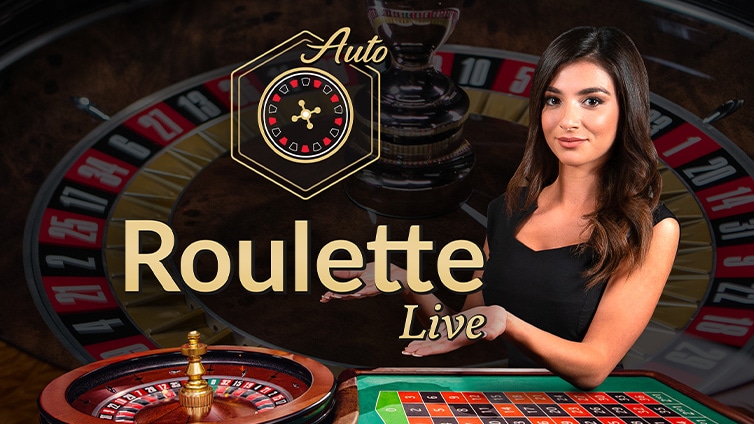
casino online nieuw en imágenes: así es su plataforma
casino online bingo — estrategias ganadoras | casino online bingo
casino online nieuw en cifras: datos clave
| Feature | Details |
|---|---|
| Jugadores por mes | R.K. + |
| Apuesta máxima | 1000 por giro |
| Bonos | Bono de bienvenida 125 + 10 giros |
| Juegos en vivo | 4341 mesas en vivo |
| Retiro rápido | 100% en menos de 24h |
Bonos y condiciones clave de casino online nieuw
- €200 bono de bienvenida
- bono del 75% hasta €300
- 50x playthrough requerido
- 25x requisito en 30 días
¿Cómo usar online casino nieuw en tu banco de casino?
high rollers, a term that evokes images of opulent casino floors, private jets, and stakes so high that a single hand of cards could alter the course of a small nation’s economy, are not merely gamblers but architects of risk, individuals whose very presence transforms the atmosphere of any establishment they grace. These are the players who do not blink at a six-figure bet on a roulette spin, who treat million-dollar poker pots as mere skirmishes in a larger war of psychological endurance and mathematical probability. They are often a mix of self-made billionaires, heirs to vast fortunes, and shadowy figures whose wealth seems to materialize from offshore accounts and complex corporate structures, yet all share a common trait: an insatiable appetite for the adrenaline rush that comes from wagering sums that would make the average person’s heart stop. The casino, in turn, treats them not as customers but as royalty, dispatching personal hosts, limousines, and penthouse suites that rival the finest hotels in Dubai, all in a calculated bid to keep them playing. These hosts know every preference, from the vintage of the champagne to the thread count of the sheets, and they anticipate needs before they are even voiced, because the house understands that a high roller’s loyalty is worth tens of millions in annual revenue. Behind the scenes, credit officers conduct deep-dive investigations into the player’s net worth, liquidity, and even their emotional stability, because a high roller who tilts after a bad beat can cost the casino more than a dozen successful nights. The games themselves are often played in private salons, away from the prying eyes of the public floor, where the minimum bet might be ten thousand dollars and the tables are staffed by dealers who have been trained to maintain an impassive facade even as a million-dollar chip stack changes hands in a single turn of a card. For the high roller, the game is not just about money; it is about status, about the thrill of staring into the abyss and not flinching, about the quiet satisfaction of knowing that they can lose a fortune and still walk away with their dignity intact, or win one and not let a flicker of emotion cross their face. Many of these players employ teams of advisors, including statisticians who model the house edge, psychologists who study the tells of other players, and even former casino employees who know the subtle mechanics of the games, all in a quest to squeeze out a fractional advantage in a world where the odds are always tilted against them. The stakes extend beyond the felt, too, as high rollers often engage in side bets with each other that dwarf the main game, such as who can win the most consecutive hands or who can guess the exact color of the next card drawn from a fresh deck, with wagers that can reach into the millions. In Macau, the epicenter of high-stakes gambling, these players are known as ‘VIPs’ and are courted by junket operators who fly them in on chartered planes, provide them with luxury accommodations, and even offer them lines of credit that would be the envy of most Fortune 500 companies, all in exchange for a cut of their losses or a percentage of their action. The psychology of the high roller is a study in contradictions: they are often meticulous planners in their business lives, yet they embrace chaos at the tables, and they are frequently introverted in social settings, yet they crave the attention of the casino’s eyes. Some are superstitious, carrying lucky charms or adhering to elaborate pre-game rituals, while others are coldly rational, relying on game theory and bankroll management to guide their decisions. The most famous high rollers, like the fictional James Bond or the real-life Archie Karas, have become legends, their exploits recounted in hushed tones by casino staff and fellow gamblers alike, and their downfalls serve as cautionary tales about the fine line between genius and madness. The casino’s relationship with these players is a delicate dance of mutual dependence and suspicion, as the house knows that a single bad night for a high roller can mean a week of negative press and a loss of face, so they often offer ‘comps’ that go far beyond free drinks and meals, including private concerts by A-list celebrities, invitations to exclusive sporting events, and even the use of a private yacht for a weekend in the Mediterranean. In the digital age, high rollers have migrated online, where they can wager anonymously from their homes or offices, and online casinos have adapted by creating high-limit tables that accept bets of up to five hundred thousand dollars per hand, with live dealers streamed in high definition to create a semblance of the physical experience. Yet, even online, the same dynamics apply: the house tracks every move, uses algorithms to detect patterns of play that might indicate a system or a tell, and is prepared to extend credit or offer bonuses to keep the player engaged, because the lifetime value of a high roller is measured in the tens of millions, and losing one to a competitor is a serious blow. The high roller’s world is also a social one, where reputations are built and destroyed over a single hand, and where the ability to maintain a poker face is as important as the size of one’s bankroll. They often travel in packs, a coterie of fellow risk-takers and hangers-on who feed off the excitement and the free-flowing money, and they are known to challenge each other to impromptu tournaments that last for days, with no sleep and no respite, fueled by adrenaline and the occasional dose of prescription stimulants. The impact of high rollers extends beyond the casino walls, as their presence in a city can boost local economies, fill hotel rooms, and create a buzz that attracts even more affluent tourists, and they are often the subject of media fascination, with tabloids chronicling their wins and losses as if they were sporting events. In the end, what separates a high roller from a mere gambler is not the size of the bet but the mindset: a high roller sees the game as a test of will, a way to prove their superiority over both the house and their peers, and they are willing to risk everything for that moment of triumph, even if it means losing it all in the blink of an eye. This is a world where fortunes are made and lost in an afternoon, where a single lucky roll can erase years of debt, and where the line between victory and defeat is as thin as the edge of a playing card. The high roller’s legacy is written in the chips they push forward, the sighs of the dealers, and the silent prayers of the pit bosses, and it is a legacy that will endure as long as there are cards to shuffle and dice to toss, because the allure of the big bet, the chance to defy fate, and the dream of walking away with a king’s ransom are eternal human desires. As one veteran high roller once said, ‘You don’t play the game for the money; you play for the feeling of being alive, and the money is just the scoreboard.’
casino online nieuw promueve el juego responsable con límites de depósito y autoexclusión.
Soporte móvil: todo lo que necesitas saber sobre nieuw casino nederland
Ayuda, a word that in Spanish carries the weight of both a plea and a promise, is far more than a simple translation of "help." It is a linguistic vessel filled with the nuances of human interdependence, cultural expectations, and the quiet dignity of asking for assistance. In its most immediate form, "ayuda" is the cry that escapes the lips when a hand slips on a wet ledge, when a stack of boxes teeters dangerously, or when the weight of a burden becomes too great for one pair of shoulders. But to reduce it to that single moment of urgency would be to ignore the rich tapestry of contexts in which the word operates. In everyday conversation, "ayuda" can be a gentle offer extended to a neighbor struggling with a heavy grocery bag, a colleague wrestling with a stubborn spreadsheet formula, or a child attempting to tie shoelaces for the first time. It is the word that bridges the gap between solitude and solidarity, acknowledging that no one is an island and that the human experience is fundamentally collaborative. When said with sincerity, "ayuda" dissolves the illusion of self-sufficiency and opens a doorway to connection. It carries with it an implicit trust that the listener will respond with empathy, not judgment, and that the act of helping will be met with gratitude, not entitlement. In Spanish-speaking cultures, the concept of "ayuda" is often intertwined with the idea of "apoyo" (support) and "solidaridad" (solidarity), creating a web of mutual obligation that strengthens communities. A grandmother might ask for "ayuda" in the kitchen not because she cannot cook, but because the act of cooking together is a ritual of love and shared knowledge, where recipes are passed down and family stories are told over the rhythmic chopping of vegetables. A student might request "ayuda" from a classmate not merely to solve a problem, but to forge a bond of collaboration that extends beyond the classroom, perhaps leading to a study group that meets weekly and becomes a source of lasting friendship. In professional settings, "ayuda" can be a strategic tool, a way to leverage collective expertise while humbly acknowledging one’s own limitations, such as a project manager asking for "ayuda" from a cross-functional team to meet a tight deadline, thereby fostering a culture of openness and shared ownership. The word also appears in legal, medical, and social contexts, where "ayuda" can refer to financial assistance, psychological support, or humanitarian aid, each iteration carrying its own set of expectations and protocols. When a government offers "ayuda" to disaster victims, it is not just a transfer of resources but a statement of civic responsibility and national unity, often accompanied by logistical coordination and long-term rebuilding plans. When a therapist offers "ayuda" to a client, it is an invitation to explore vulnerability in a safe, confidential space, where the therapeutic alliance itself becomes a form of help that empowers the client to develop coping strategies and resilience. The versatility of "ayuda" is matched only by its emotional resonance. It can be whispered in a hospital corridor, shouted across a crowded square, or typed in a text message with a simple emoji, each usage reshaping the word, infusing it with the specific urgency, tenderness, or formality of the moment. Moreover, "ayuda" is not a one-way street; it implies a reciprocal relationship where the helper also gains something—be it a sense of purpose, a deepened connection, or the comfort of knowing they have made a difference. This reciprocity is beautifully captured in the Spanish proverb, "El que ayuda, a sí mismo se ayuda" (He who helps, helps himself), reminding us that altruism is rarely a zero-sum game. In literature and song, "ayuda" has been immortalized as a theme of redemption and hope. From the lyrics of ballads that plead for divine "ayuda" in times of despair to the pages of novels where characters find salvation through unexpected acts of kindness, the word resonates with a universal longing for assistance. For instance, in Gabriel García Márquez’s "One Hundred Years of Solitude," the Buendía family repeatedly seeks "ayuda" from each other and from outsiders, illustrating how help can be both a lifeline and a source of conflict. It is also a word that tests our pride.
casino online nieuw dispone de atención al cliente disponible las 24 horas del día.
Respuestas a tus dudas sobre online casino nieuw
¿Qué tipo de operador es casino online nieuw?
casino online nieuw es un operador de casino en línea que ofrece una amplia variedad de juegos, incluyendo tragamonedas, juegos de mesa y opciones de casino en vivo.
¿Está casino online nieuw regulado y es seguro?
Sí, casino online nieuw opera bajo la licencia de DGOJ — Dirección General de Ordenación del Juego, lo que garantiza un entorno de juego seguro y justo para todos sus usuarios.
¿Cuál es el depósito mínimo en casino online nieuw?
El depósito mínimo requerido en casino online nieuw es de €13, lo que permite a los jugadores comenzar a disfrutar de la plataforma con una inversión baja.
¿Qué requisitos de apuesta aplican a los bonos de casino online nieuw?
Los bonos ofrecidos por casino online nieuw están sujetos a un requisito de apuesta de 40x playthrough en 30 días, que debe cumplirse antes de poder retirar las ganancias asociadas.
¿Cómo puedo contactar con el servicio de atención al cliente de casino online nieuw?
Puedes contactar con el equipo de soporte de casino online nieuw a través de chat en vivo, correo electrónico o teléfono, disponibles las 24 horas del día, los 7 días de la semana.
Política de Juego Responsable de casino online nieuw en España
El juego es una actividad exclusiva para mayores de 18 años y debe realizarse de forma responsable. casino online nieuw promueve el juego seguro y legal en España, bajo la supervisión de la Dirección General de Ordenación del Juego (DGOJ). Si sientes que necesitas un descanso, puedes inscribirte en el Registro General de Interdicciones de Acceso al Juego (RGIAJ) para autoexcluirte. Además, si necesitas ayuda, contacta con FEJAR en el 900 200 225 o visita jugarBIEN.es. Te recomendamos establecer límites de depósito y tiempo, y jugar siempre como entretenimiento, nunca para recuperar pérdidas.
